 TripRank
School Zone Speed Cameras: Rules, Hours, and Penalties
School zone speed cameras are common for safety, operating specific hours with varied penalties, from civil fines to automatic double charges.
iPhone & Android · Navigation
A GPS speedometer that reads true speed rather than your dashboard’s optimistic one, plus speed camera and traffic-signal locations along your route, a full record of every drive, and where you rank against other drivers.
 TripRank: Speed Camera & GPS Navigation · iPhone & Android · Free with Pro upgrade

What it does
Speed read from satellite positioning, not the wheel-speed sensor your dashboard uses. Average, top, distance, altitude, duration and time stopped for every drive.
Speed camera and traffic-signal locations plotted along the route you are driving, with a countdown as you approach. Coverage depends on the underlying location data.
Every recorded drive kept in one list with its own stats, so you can compare a commute week to week instead of guessing.
A global leaderboard by top speed, distance and trips, plus a profile that carries your own records.
Preview paint, wheels and body kits on your own car with AI, and keep the results in a garage on your profile.
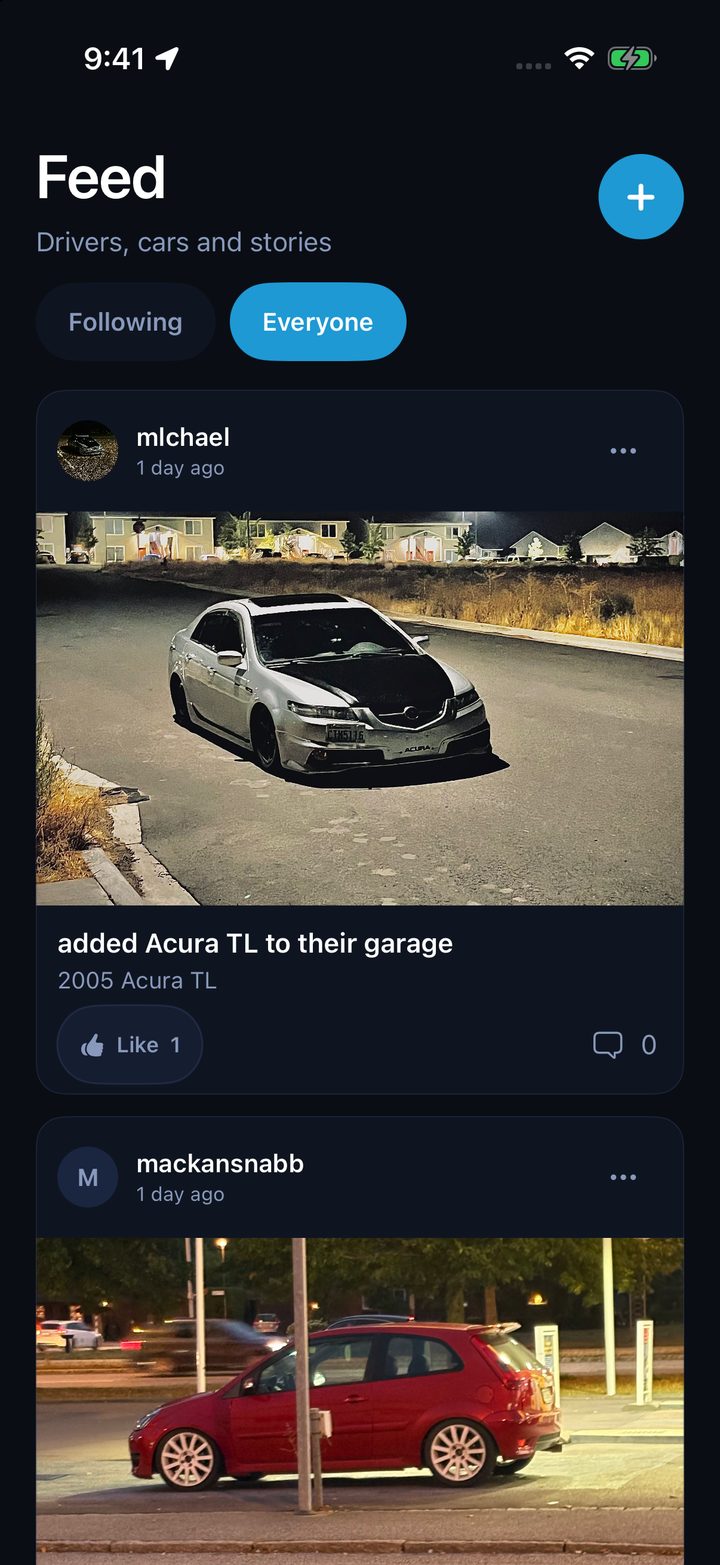
Post a drive or a car, follow other drivers, and see what they are building.
Inside the app




Under UN Regulation No 39 a car’s speedometer may never read below true speed, but it may read up to 10 % + 4 km/h above it. GPS has no such licence.
Guides
School zone speed cameras are common for safety, operating specific hours with varied penalties, from civil fines to automatic double charges.
Changing your tyre's diameter alters its rolling circumference, directly affecting your speedometer's accuracy and potentially leading to significant speed discrepancies.
Speed cameras use radar, lidar, or ANPR to measure your speed; radar uses radio waves, lidar uses light pulses, and ANPR calculates average speed over distance.
Drivers face varying speed camera enforcement thresholds and margins of error across countries, from strict no-tolerance policies to allowances based on percentages or fixed values.